

From Global Success to Local Impact: Harnessing Africa’s Football Achievements for Sports Investment

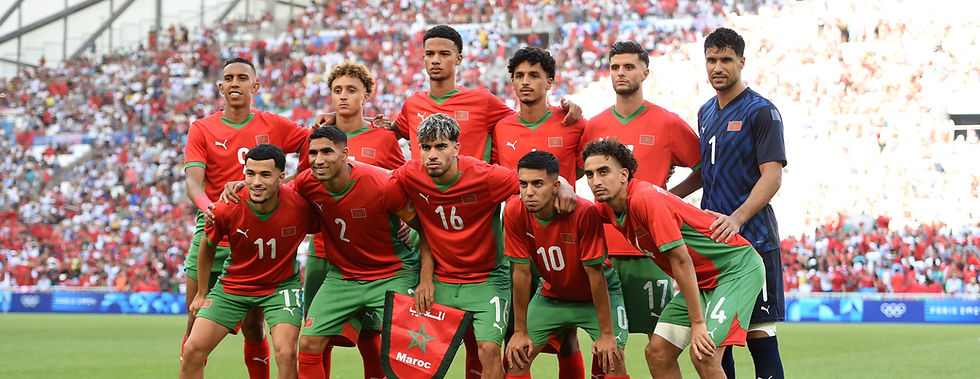
Africa has increasingly established a strong global reputation as a major exporter of talented young athletes. This has been reflected in the growing presence of African players in national teams and leading professional sports clubs across Europe and, more recently, the Middle East. In the twenty-first century, the prominence of African athletes on the global sports stage has become a defining feature of international competitions. This paper highlights Africa’s achievements in global sports, with particular focus on football, and explores the potential to translate these international successes into meaningful investments that support the continent’s broader development efforts.
Current Global Football Investment and Africa’s place
Sports investments have generated substantial financial and economic growth globally over the past three decades, highlighting a strong and consistent relationship between the expansion of the sports industry and broader economic development. According to the World Data Lab’s March 2025 analysis on the economics of sport and entertainment across 183 countries, the global sports market is projected to surpass $1 trillion by 2029. Currently valued at approximately $856 billion, nearly half of this market is dominated by the United States, followed by Europe and the young Middle East. Despite the continued expansion of global sports investments, Africa maintains only a marginal share of the industry, reflecting an uneven distribution of sports-related investments and economic benefits.

Within this expanding global sports economy, football occupies a particularly dominant position. According to a 2025 report published by Mordor Intelligence, football accounts for a substantial share of global sports investments, representing nearly half of the industry’s total value. Europe continues to lead the football investment due to its well-established leagues, infrastructure, and commercial networks. In contrast, Africa’s sports investments account for less than 4% of the
global sports economy. This disparity persists despite the continent’s significant contribution to the global football investments landscape through its large talent pool, growing fan base, and increasing participation in international competitions.
The Challenges of Sports Investments in Africa
In stark contrast to Africa’s successful presence in the global sports arena, the continent continues to experience a slow and disappointing trajectory in terms of investment in sports. Several factors explain the significant imbalance between the remarkable contributions of African athletes to both local and international sports and the relatively limited level of sports investment across the continent. This paper addresses three of these factors due to their prominence and the wide range of challenges they represent across Africa.
The first challenge is the persistent conflicts that have characterized post-colonial Africa. The continent presents one of the few regions where numerous conflict-related studies are conducted due to the prevalence and diversity of such conflicts. Africa experiences various forms of active conflict, including civil wars, ethnic and communal conflicts, resource-based conflicts, border disputes, and conflicts arising from elections and political violence. These conflicts are widespread across different regions of the continent.

African conflicts—a key source of political instability—have been particularly effective in discouraging and constraining sports investment in general, and football investment in particular, despite the continent’s significant potential in this sector. In many cases, conflicts compel governments to prioritize defense spending rather than investing in the development of the football industry. Data released by the Stockholm International Peace Research Institute (SIPRI) indicates that military expenditure in Africa has increased by approximately 22% over the past decade, with a significant portion of these funds drawn directly from government budgets. Such expenditure represents a substantial opportunity cost; for instance, the resources allocated to military spending could have financed the construction of more than ten medium-sized football stadiums—essential infrastructure that many African countries currently lack and that could stimulate sports investment.
The second challenge is the absence of coordinated and collective efforts to develop football investment across the continent. Countries such as Morocco, Egypt, South Africa, and Ghana have
achieved notable success in linking their national football achievements to strategic investments in the sport. At the national level, these countries demonstrate vibrant football ecosystems in which sustained investment has created favorable conditions for the professionalization and commercialization of the game, generating substantial economic returns. Their success has been closely associated with investments that enhance professionalism in sporting activities, which in turn reinforce further development of the football industry. However, these achievements could have been expanded more broadly across Africa if stronger continental cooperation and coordinated initiatives had been established to promote football investment at a regional level.
Finally, another significant challenge relates to the widespread mismanagement and corruption that have adversely affected football investment and governance across Africa. Experts studying football financing estimate that the continent may be losing between $50 million and $150 million annually due to corruption, financial mismanagement, and governance failures within the sport. One of the most high-profile corruption cases involved the former president of the Confederation of African Football (CAF), Ahmad Ahmad, who was sanctioned with a five-year ban from all football-related administrative and sporting activities, in addition to a fine exceeding $250,000, for violations of ethical and financial regulations. More recently, in October 2025, the Nigerian Football Federation (NFF)—the governing body of football in Africa’s most populous nation—came under parliamentary investigation by the National Assembly of Nigeria over allegations of significant mismanagement of development funds provided by FIFA and CAF. These funds, allocated since 2015, were intended to support the development of football infrastructure and programs in the country.
Africa’s Potential for a Viable Sports Investment
At present, the contribution of sports to Africa’s economy remains minimal, accounting for only about 0.5% of the continent’s gross domestic product (GDP). However, the potential to transform this modest contribution into a significant driver of economic growth through strategic sports investment—particularly in football—is substantial. Africa possesses immense untapped potential that could support a thriving sports industry. The following discussion highlights some of the key opportunities that position the continent for viable sports investment, with a particular focus on football.

One of the most significant opportunities lies in Africans’ deep passion for football, both as participants and as supporters. Football enjoys widespread popularity across the continent, with reports indicating that approximately 59% of Africans watch football at least once a week. These statistics are higher than the numbers in Europe, where major sports activities, and most importantly, football, are mainly played. Reports indicate weekly football viewership in Europe is around 40-50%.
On the field, African players have consistently demonstrated exceptional professional ability and competitiveness at the highest levels of the sport. Despite this strong cultural and athletic foundation, Africa has lagged behind regions such as Europe and, more recently, the Middle East in fully recognizing and investing in the economic potential of football.
Another important factor contributing to Africa’s potential for football investment is the continent’s large and youthful population. Africa has one of the fastest-growing and youngest populations in the world, providing a vast pool of emerging football talent. At the same time, this youthful demographic represents a rapidly expanding fan base and consumer market. Together, these factors create strong prospects for sustained growth, increased revenues, and long-term profitability in football-related investments.
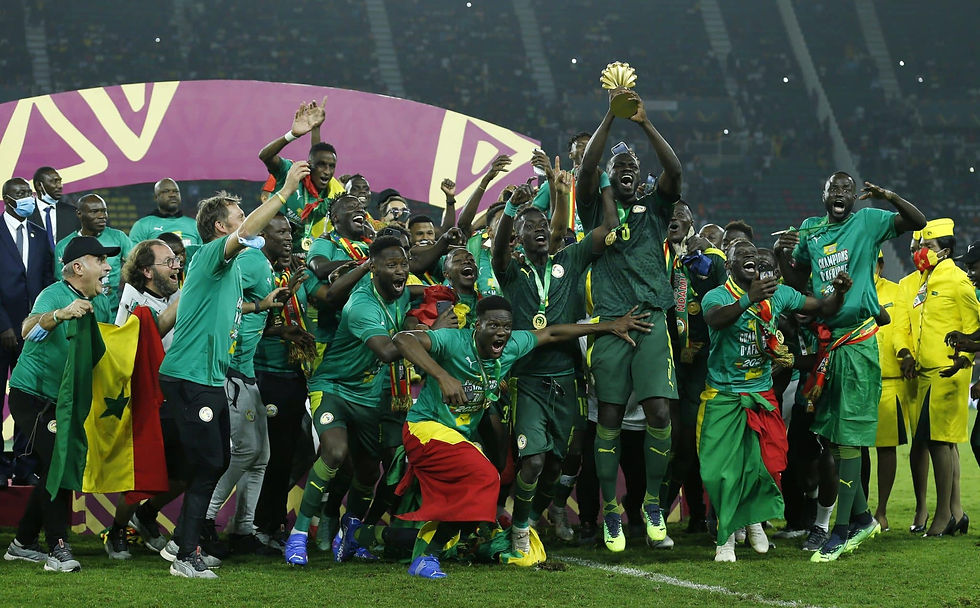
Another important aspect to consider in this discussion is the potential of Africa’s well-established tourism industry to support football investments. In regions such as Europe and the Middle East, football development has already been effectively integrated with thriving tourism sectors, creating mutually beneficial economic opportunities. Similarly, Africa’s tourism industry— which contributes approximately 8.5% to the continent’s GDP—represents a significant resource that could strengthen the expansion and long-term sustainability of football investments. By linking football events, stadium development, and sports tourism with the broader tourism sector, the continent of Africa can generate more revenue streams, attract more international visitors, and enhance the global visibility of the football industry.
References
Motsepe pleads with African states to invest in infrastructure:
The massive opportunity of sports tourism: https://newafricanmagazine.com/news-analysis/sport/the-massive-opportunity-of-sports-tourism/
Behind the stadium boom: Why foreign-born players fill African football teams: https://www.playthegame.org/news/behind-the-stadium-boom-why-foreign-born-players-fill-african-football-
How foreign-born players put the ‘world’ in World Cup:
European football M&A in 2025: Fewer mega deals, broader global reach: https://footballbenchmark.com/w/european-football-m-a-in-2025-fewer-mega-deals-broader-global-reach
The sports economy: What is it and how could it improve the health of both people and planet?-https://www.weforum.org/stories/2026/01/what-is-the-sports-economy-improve-health-
livelihoods/#:~:text=It%20is%20a%20major%20global,reaching%20$8.8%20trillion%20by%2020 50.&text=The%20growth%20of%20the%20sports,fastest%2Dgrowing%20area%20of%20tourism.
The sponsorship gap: Why Africa’s sports market struggles to attract big brands: https://sportsbusinessinafrica.com/insights/africa-sports-market-sponsorship-gap/
Spectator Sports Market Size & Share Analysis - Growth Trends And Forecast (2026 - 2031): https://www.mordorintelligence.com/industry-reports/spectator-sports-market
Addressing Africa’s Sports Industry Challenges Through Education and Training:
https://bgrafrica.com/addressing-africas-sports-industry-challenges-through-education-and-training/?
Nigeria football paradox: Kebbi stadium gets FIFA spotlight as NFF faces allegations: https://www.icirnigeria.org/nigeria-football-paradox-kebbi-stadium-gets-fifa-spotlight-as-nff-faces-alleations/


Yorumlar